
Lime mortar, dry or both?
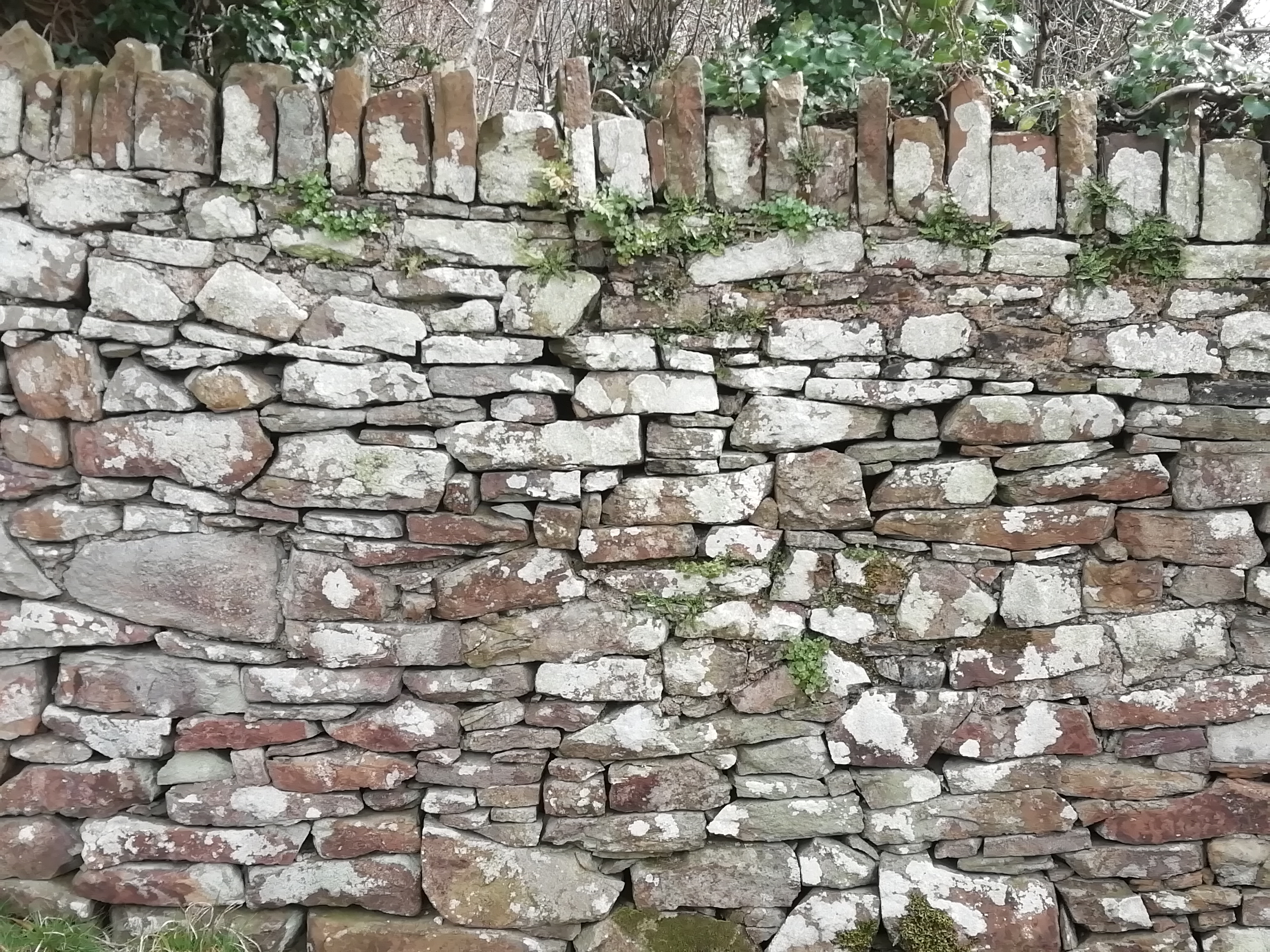
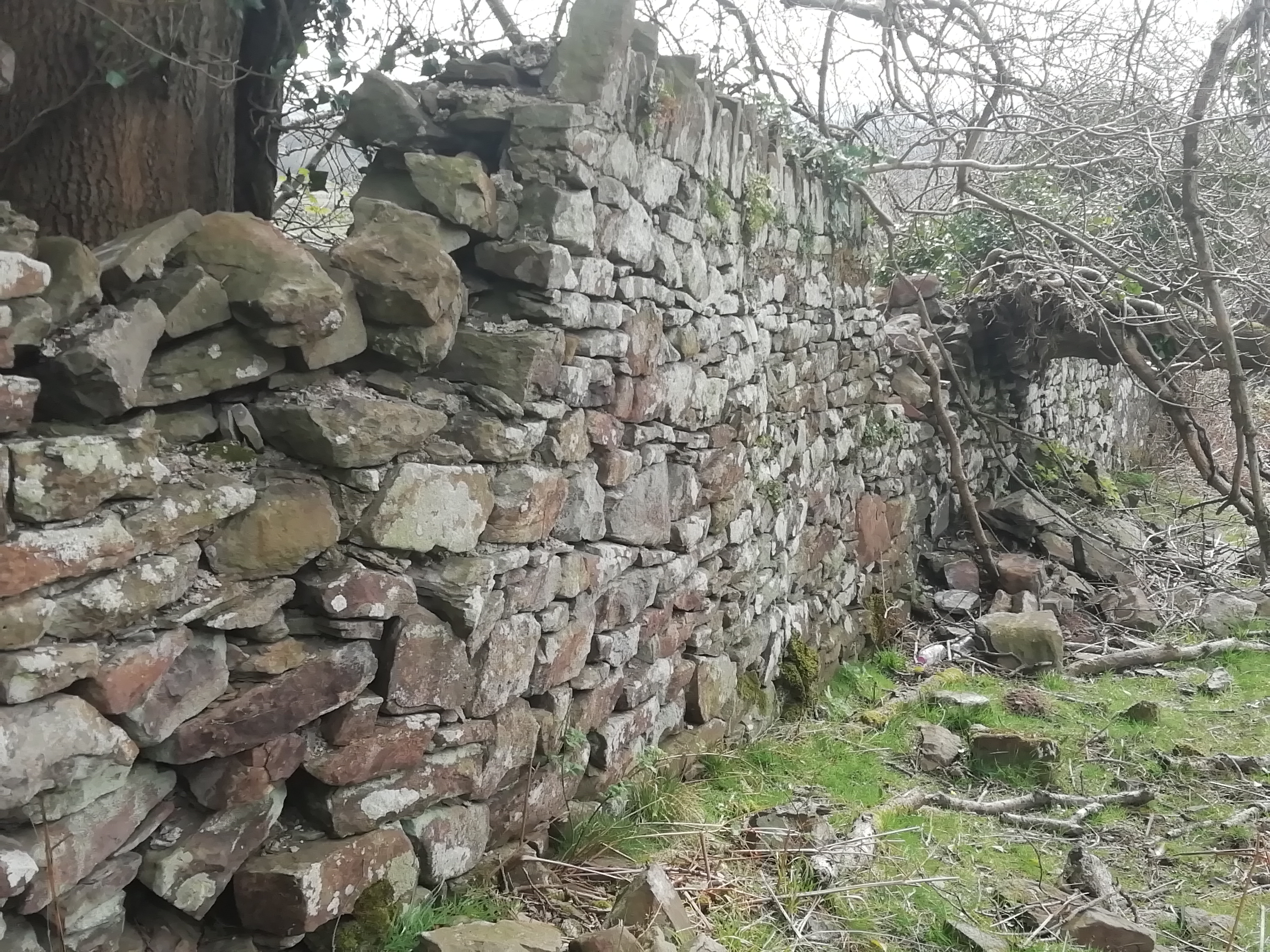
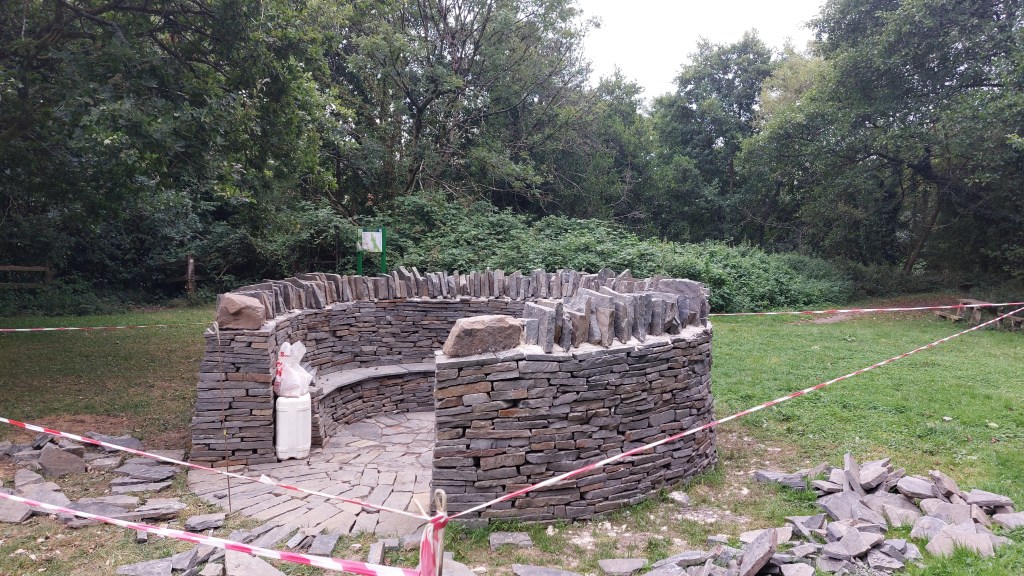
As a professional dry stone waller making my living in Cardiff dry stone walling opportunities can be limited. While there are dry stone walls within the city boundaries they tend to be few and far between. I have built and repaired walls in gardens, rebuilt gated drive way entrances and terraced gardens walls all without mortar. There are many opportunities for conservation across South Wales such as the restoration project on Dr William Price’s round house in Pontypridd, Pontcanna gardens, building new dry stone walls around farmhouses and repairing deer park walls at Dyrham Park outside Bath and Margam Park above the Port Talbot Steelworks.
I undertake a lot of repair and restoration work on black lime mortared walls, something frequently requested. Black lime mortar is traditional dating back well into the 19th century. It comprises lime and black slag/waste as a pozzolan to bind the mortar (the romans used crushed lava). People can be horrified to see a dusty or muddy black mess coming out of their walls and need to be reassured that their garden wall was not built with mud or earth. The truth is that their wall is failing through the deterioration of the mortar, often harbouring plants, weeds or even shrubs and trees. These damaged, bulging and fallen walls are traditional and deserve to be conserved as serious restoration projects. This lime restoration and conservation using lime mortar is a real craft, dare I say art. Yet I always have a feeling that dry stone walling purists look down a long nose at the work, as demeaning, ‘Mortar is the devil’s blood!’. So what are the pro’s and con’s between dry stone and mortar work?
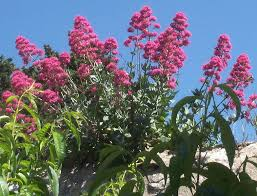
The majority of traditional natural stone walls in the city boundaries are mortared. Most were built over a hundred years ago and are quite as beautiful as dry stone walls anywhere. They are traditional, part of our heritage and built with real skill using local materials as described below. The fact that black mortared walls are still standing over a century on, despite being attacked by the elements and the destructive attention of ivy, red valerian, buddleia and brambles. It is testament to the savvy, skill and strength of the original building.
I have long experience of building, repairing and restoring these mortared walls. I use all the principles of dry stone walling as a professional dry stone waller while offering ‘customers’ an added sense of security through the addition of mortar.
Many dry stone walls have their toppers – coping stones – mortared in to prevent them being dislodged by animals – particularly horses although badgers and other animals can climb and wreck walls, to say nothing of humans. I have mortared copers on National Trust walls and along roadsides – always with a lime mortar.
As a waller both ‘wet’ mortar and dry stone, or a mixture of both have equal merit. Restoring a wall using a lime mortar in the original style is as natural and environmentally friendly as a dry stone wall. In many cases I think there is a strong argument for lime mortar as it can encourage more life in and around the wall in the form of carefully monitored plants (avoiding ivy, valerian and brambles) and the associated animals from insects to small mammals such as voles and door mice and birds. Leave a small gap with some space behind and there is nothing like seeing a robin or jenny wren (Latin for Wren is Troglodytidae, cave dweller) feeding on insects or nesting in a wall, wet or dry!
Black lime mortar – a dubious heritage or a modern solution?
“Many buildings in South Wales are famous, in the construction world, for their black mortars.”
We are looking back to a period before Portland became the builders cement/mortar of choice and natural stone was the primary building block for houses and garden/boundary walls in Wales. Today, taking down a wall in a Victorian or Edwardian house in Cardiff often creates a cloud of grey black dust. Even ornate original plaster-work and ceilings seem to have a layer of black mortar stuck to the laths beneath. Amongst modern builders black mortar has got a bad name, it always appears to be failing and dirty, ‘put on a mask and rip it out’. But is this right?
For those of us with an interest in heritage and restoration, returning a building or a wall to its original grandeur, to maintain the glorious history of building in Cardiff, a little more patience and consideration is required. Victorian and Edwardian builders were proud and constructed to last. Their buildings have been with us for over a century or more. Cardiff’s Victorian and Edwardian houses are among the most distinctive and beautiful in Britain – the glory and grandeur of Cathedral Road (reputedly the longest continuous run of Edwardian houses in the UK) is complimented by the simple beauty of terraced workers housing arrayed in Splott and Grangetown. We shouldn’t demolish, we should restore.
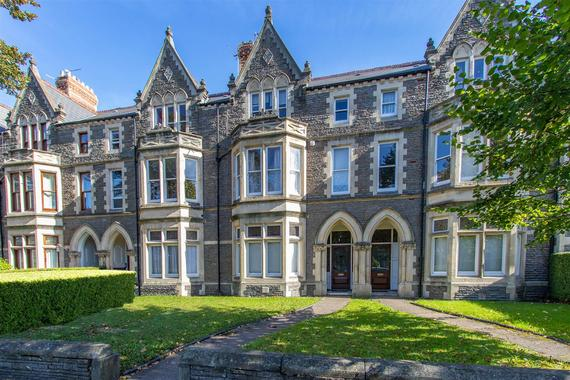
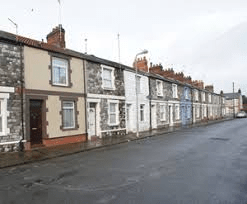
Local construction reflects the wealth, mining and manufacturing base of South Wales. Society, great wealth, high employment created a need for all sorts of property. Hugely successful architects designed and built at speed. They were only limited by the availability of materials: sand, all types of stone and, of course, lime.
In order to make a good mortar you need to have a fine aggregate and for the Edwardian builder what finer, and cheaper, aggregate than the waste (slag) from the vibrant local coal and iron industry in this period. This also reflected a practical consideration. There has always been a dearth of quarried sands available locally. Even today much, perhaps most of the sand used in local construction has been dredged from the Severn Estuary. Pit sand is hard to come by locally so alternatives were sought.
Working with lime for exterior work in buildings and garden walls required a pozzolan to create a strong and faster setting mortar. The original Roman pozzolan was sourced from volcanic ash/lava found in Pozzuoli (Southern Italy and the origin of the word). This added strength to the lime mortar. At the same time it provided bulk to a mortar thus making it cheaper. There was plenty of industrial waste around the valleys, fly ash and waste from the iron works. Black mortar worked effectively for the builder, it was local and often free. It was part of the ‘slow’ economy deriving materials locally, saving on transport costs (remember the toll roads) and of course increasing the profits of local builders. Twas ever thus.
Stone was delivered from a large number of very local, small quarries dotted around Cardiff, Newport and the Vale. These were highly profitable when they were established, almost all closed now, each delivering stone to builders in their immediate local area. Perhaps the best known now is Radyr, which still being worked today producing largely road stone. Locally quarried stone such as Blue Lias was augmented by a wide range of stone from across the globe. This was delivered to Cardiff cheaply as ballast in the coal ships returning from shipping ‘black gold’ from the South Wales coalfields across the world. This stone ballast would have been cleared from the quayside by horse and cart to be used for building perhaps mainly seen in South Cardiff. It was cheap as chips.
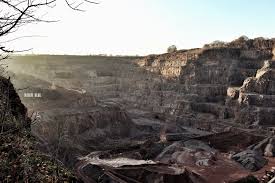
There is plenty of limestone in South Wales. Kilns can be found from Porthgain, Pembrokeshire to Aberthaw in Glamorgan. Lime was burnt to produce materials for building (lime washing buildings goes back to mediaeval times and earlier). Lime was an essential ingredient for iron production and to put on the land for farming. Lime was in high demand in mid-West and central-Wales where there are no limestone deposits.
Local aggregates (sand) in the form of fly ash or slag waste from the coal and ironworks was mixed up with lime to make a strong, fast setting but still flexible mortar to serve construction. It was well understood that lime binds well with stone (much better than cement) and that it is better able to withstand the settling of houses, particularly those built on Cardiff’s flood plain. Locally produced lime mixed with industrial waste produced the black mortar to secure locally quarried stone. It should be remembered that these famous black mortars have stood the test of time, often well over a hundred years.
The late Victorian and Edwardian construction industry worked to the same commercial imperatives which drive the construction industry today. They were astute, using what was readily available, to common a common layout and, one might argue, to higher standards. As an aside, how many of the suburban properties being thrown up around Cardiff today will we expect to see in the next century? Will we be restoring them?
It is an increasingly held view that it is worth restoring the original Edwardian and Victorian buildings constructed with lime mortars using close to the original materials and the similar building techniques. Portland cement does not work well with natural stone, it is not flexible and expands and contracts at different rates creating cracking where it has been used to repoint and repair. This can be seen on walls all over the City of Cardiff.
It may not be as easy to use lime as cement. It has to be worked, whipped like cream, the chemistry has to be right. It can fail owing to frost, rain or even hot sun acting on it during the build. Furthermore lime is brilliant white and if simply mixed with a sharp sand will be too pale for re-pointing. A base mortar can be purchased as a Lime putty from a specialist supplier. When a putty is prepared by mixing with a limestone aggregate it is too white to be used for pointing in its original form. It needs to be mixed and darkened. Lime putties come in different colours but matching can be a problem and they are expensive.
So what are the options today?
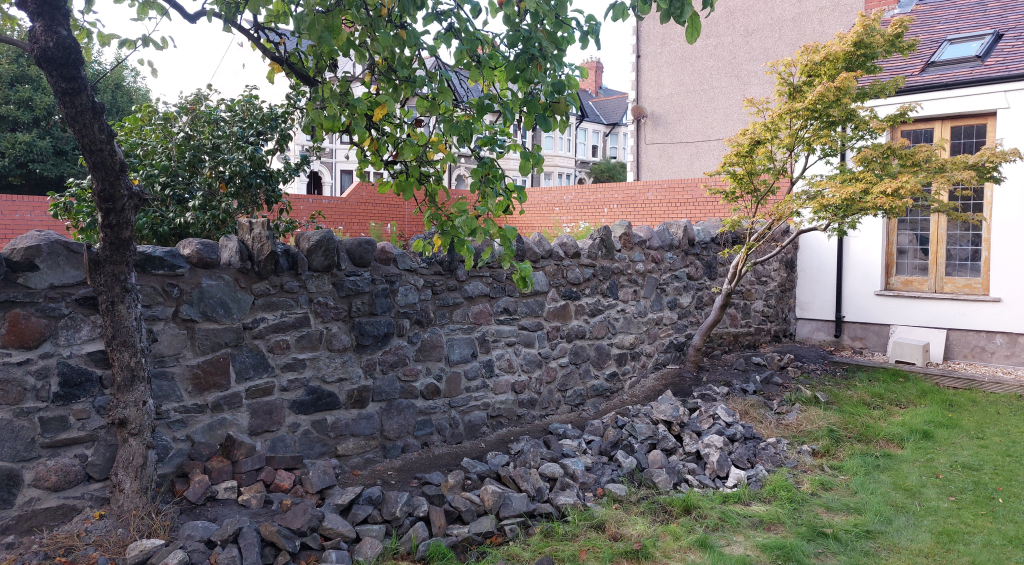
The simplest approach is to make a mortar using a dry (Naturally) Hydrated Lime NHL and mixing with sand. NHL 3.5 (there are other grades) is a standard high quality lime, pre-treated to avoid slaking. Slaking lime can be a dangerous process, it gets hot, bubbles and spits. NHL can now be obtained from some builders merchants or from a lime specialist such as Ty Mawr in Brecon. Wales. This mix will then need to have some darker sharp sand or ‘black’ introduced to darken it as otherwise it will still be very white when it dries.
Find a dark sharp or pit-sand, a black (sharp) sand such as Blaenavon Dark which is available locally (Ty Mawr) and introduce it to the mix. For a darker mix substitute more Blaenavon Dark for the regular sharp sand.
Perhaps the cheapest method for current builder is to save some of the black mortar when raking out the old wall being repaired and introducing it to the mix – this often works for exterior garden walls where absolute consistency of colour is less important. This certainly fits with today’s ecologically friendly, recycling approach. As suggested above, Edwardian builders would introduce whatever came to hand – coal dust or slag from the local ironworks or in the country builders would even mix in a little dark soil.
It is also possible to buy a modern lime tolerant black pigment to introduce to the mix although recent experience when reviewing a third party repair suggest these may wash out (I do have an unopened tin in my cupboard). Mix the pigment with some water and then knock up the mortar and adjust to the right shade.
It is always an idea to test first as these pigments may be intense (various colours are available) and you can end up with a jet black or if using a colour, a brilliant pink or red mortar. Of course each to their own!
But then again, wherever appropriate, you can always elect to build the wall ‘dry’ using the skills shared through the dry stone walling association.
Copyright Richard Staniforth 2020 – 2023 – 2025 amended
Links for further information:
https://en.wikipedia.org/wiki/Aberthaw_Lime_Workshttps://en.wikipedia.org/wiki/Aberthaw_Lime_Works
https://en.wikipedia.org/wiki/Porthgainhttps://en.wikipedia.org/wiki/Porthgain
 Richard Staniforth Dry Stone Waller & Garden Waller