Dry stone garden pond build
Reply

Congratulations to Sean Adcock, Dry Stone Waller, Mastercraftsman, recognised in the 2024 New Years Honours List by King Charles as a Medallist of the Order of the British Empire

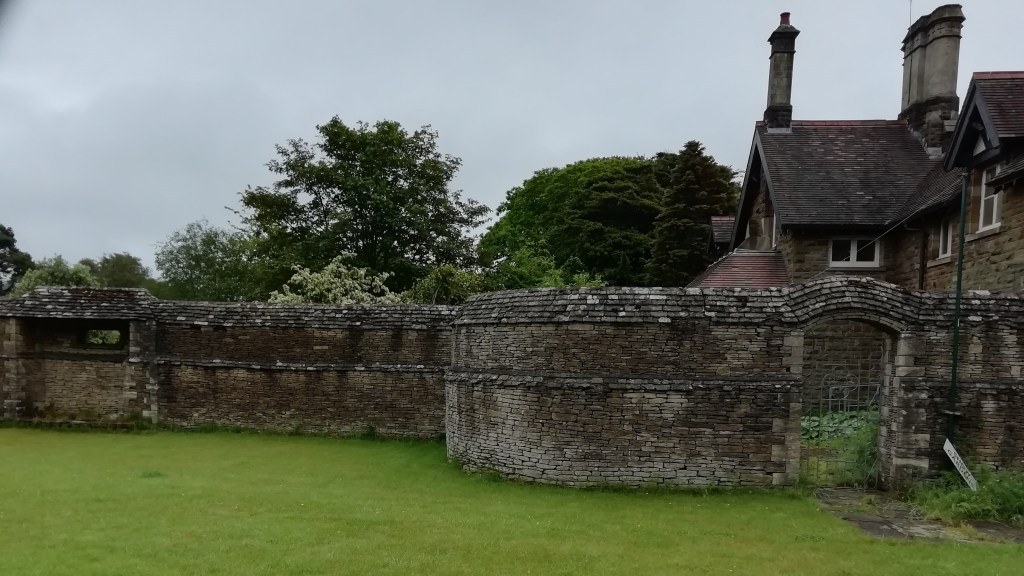
As a dry stone waller, I was amazed to discover some lovely Cotswold style dry stone walling in South Wales, in the heart of Margam Park, when working to restore the Margam Deer Park walls. Designed in 1948 by Ralph Hancock, the internationally renowned post war garden designer from Roath, in Cardiff, these gardens reflect the importance of dry stone walling in the history of post second world war British Garden design.
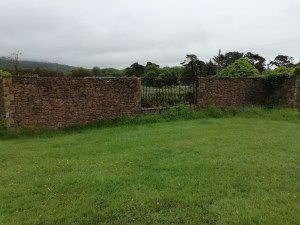
Inspirational landscape gardener Ralph Hancock was commissioned in 1948 to design a rose garden for the Twyn House in the grounds of Margam Park. Until relatively recently an outlying base for Neath Port Talbot College the house and gardens have been mothballed. They are now sadly falling into decay, badly in need of investment and restoration to their former glory.
https://www.parksandgardens.org/knowledge/historical-profiles/ralph-hancock-f-r-h-s-landscape-artist
The following extract from the internet:
Twyn-yr-Hydd
It was at one of these post-war Chelsea shows (probably in 1948) that Sir David Evan Bevans (a Director of Barclays Bank) commissioned Ralph and Bramley to build the gardens at Twyn-yr-Hydd within Margam Park near Port Talbot, south Wales.
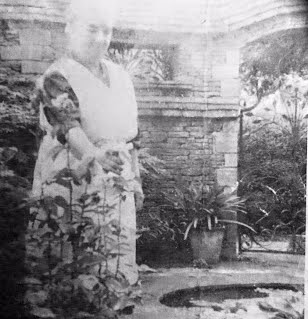
This delightful photograph of Miss Bella Clunn (left), who was Sir David’s housekeeper in the 1950’s, shows her in the walled rose garden. (Picture courtesy of Joyce Hunt).
The picturesque Twyn-yr-Hydd House and the gardens in which it stands are now the home of Neath Port Talbot College based in Margam Park. Through the tireless work of the Horticultural Department and lecturer Bob Priddle the gardens have been restored to their former glory. The high walled garden contains many of the features for which Ralph has become known. Cotswold stone walls with wrought iron Clairvoyee and an attractive formal pond.
The planting too is typical Hancock in style. The following two images show the rose gardens as they are now (right) and as they were when Ralph and Bramley created them (left).


Update February 2017
Since the original article on Twyn-yr-Hydd was written, Neath Port Talbot College are no longer based in the house. It is understood that maintenance costs and associated drainage problems to the house made staying-put impossible. Sadly, the house has been mothballed and the gardens have been allowed to become overgrown. The following images show the extent of the neglect to both the interior of the walled garden and surrounding landscaping including one of the two bridges and the rear of the walled garden. The once beautifully restored wrought iron gate, so painstakingly hand-painted by Bob Priddle and his team no longer looks as lovely.
The gardens at Twyn-yr-Hydd are likely to have been one of the last major projects, outside London, which Ralph designed and completed. End
I had an immediate urge when I saw this hidden gem to gather support and try and do something about the decaying state of both the garden and its lovely walls and gates and the house itself. There are typical signs of a rapid exit by the college – rubbish and random bits of unwanted furniture lying about – in other words the early stages of dereliction.
However I have discovered that some action is being undertaken – at least as regards the garden. The friends of Margam Park have been undertaking some restoration pre Covid 2019 as recorded online – https://www.fompnews.org/twyn-yr-hydd and here http://www.ralphhancock.com/home/twyn-yr-hydd-restoration I’d love to get involved!
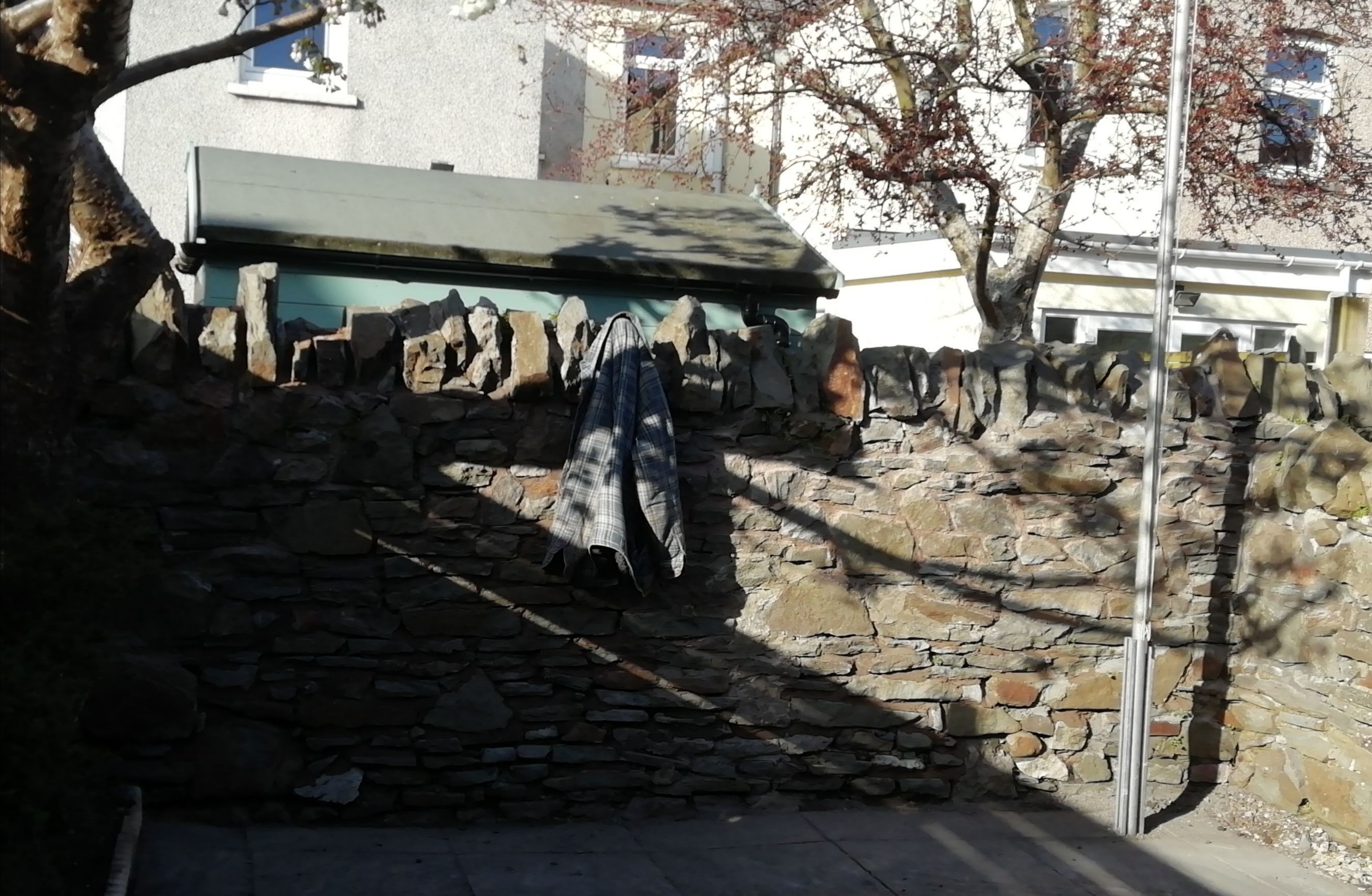
There is vegetation that gives life and beauty and some which strikes at a waller’s heart, that will tear down even a well built wall over time, working with wind, rain and frost. This is the Vegetation Blacklist of Walls.
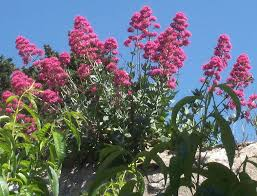

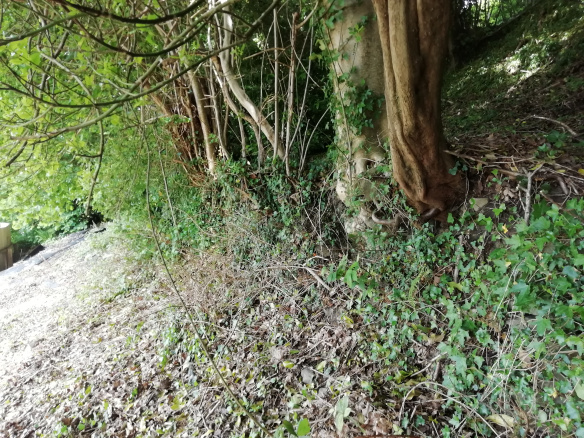
A lot of wallers see a clean wall, unsullied by plants of any kind, tightly fitting stones squeezing out all life, as a thing of beauty. However to me this is a dead wall and strikes against the philosophy of the ecologically friendly living wall.
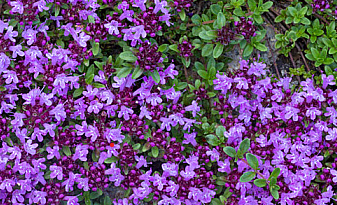
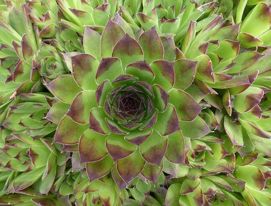
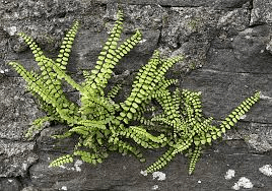
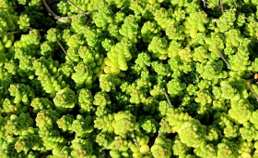
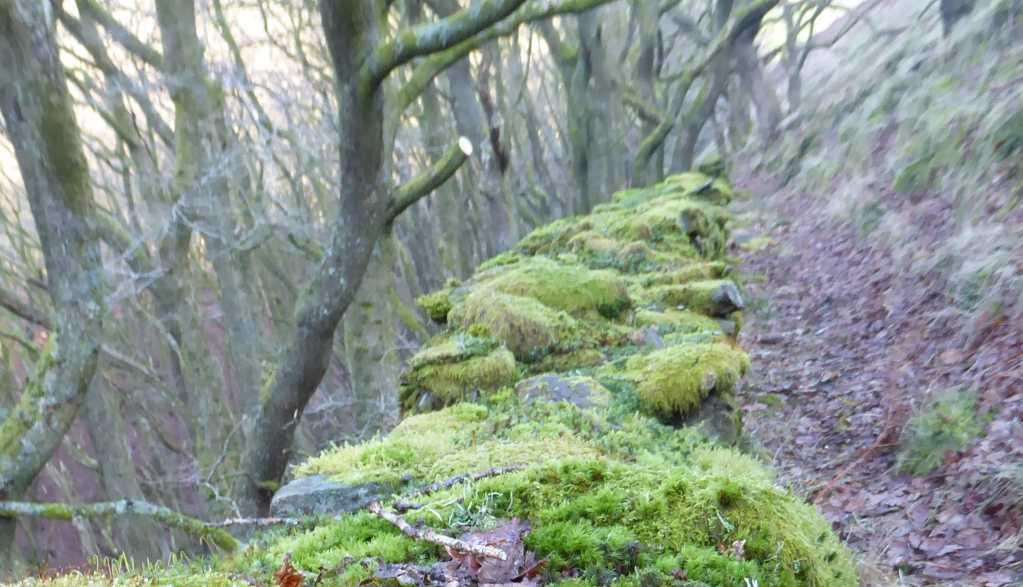
The living wall encourages growth of ‘wall friendly’ plants, with nooks for insects to thrive, for animals to hide and birds to nest. Robins, gold crests, wrens even varieties of tit will nest in a well constructed living wall. Masonry and solitary bees should be welcome. Frogs, toads, newts and lizards love to hibernate in a wall.
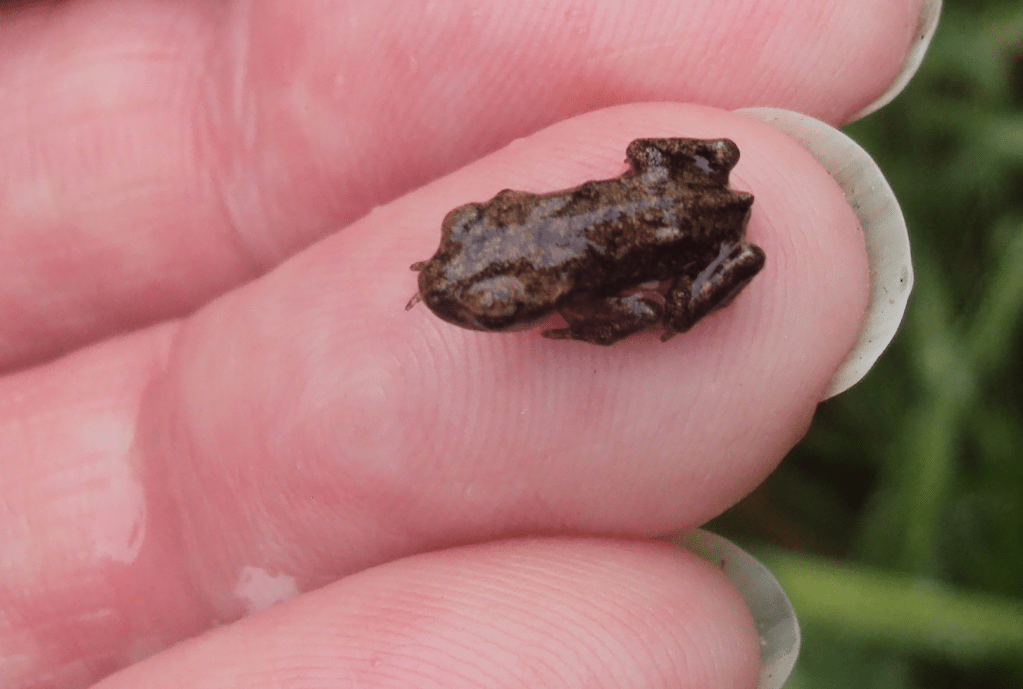
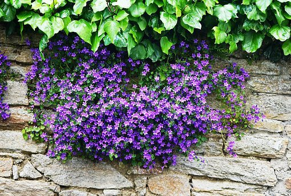
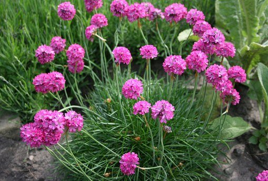
In my book all should be welcome and the waller should allow shared space for them when constructing a wall. Wall friendly plants include:


Thanks for joining me!
Good company in a journey makes the way seem shorter. — Izaak Walton

